General liability insurance is one of your business’s most important coverages. It protects you against costly claims involving property damage, bodily injury, and personal or advertising injury. Whether you’re a contractor, retailer, consultant, or run a small office, we’ll provide a quote with the best coverage options and rates tailored to your business needs
Get a quote from one of our experts at Bird’s Eye Insurance to determine how much you can save on your general liability insurance. We’ll review various types of coverages that best suit your needs.
Covers injuries or damage caused by your business: If a customer slips and falls on your property or if you accidentally damage a client’s belongings during a job, this coverage helps pay for medical expenses, legal fees, and repairs.
Protects against claims like libel or slander: If your business is accused of harming another’s reputation through advertising, social media, or marketing materials, this coverage helps with defense and settlement costs.
Helps with minor injury costs: Pays for medical expenses if someone is injured on your premises — regardless of fault — helping to avoid lawsuits or disputes.
Covers work you’ve already done: If a customer claims your product or completed work caused them harm or damage, this coverage can help pay for legal costs or settlements even after the job is finished.
Included with liability protection: This covers attorney fees, court costs, and settlements — even if your business is not found at fault. This ensures you’re protected from the financial strain of unexpected lawsuits.
General liability insurance is essential for protecting your business from costly claims related to third-party injuries, property damage, or legal disputes. Without it, even a single accident or lawsuit could result in financial loss that threatens your business’s stability and reputation.
Start by identifying the types of risks your business faces—such as customer foot traffic, use of subcontractors, or on-site work. The higher your exposure, the more comprehensive your policy should be.
Select liability limits that reflect your industry standards and the potential cost of a claim or lawsuit. Underinsuring can leave you financially vulnerable, while overinsuring can result in unnecessary premiums.
Some industries or client contracts may require you to carry minimum levels of general liability coverage. Be sure your policy meets those requirements to remain compliant and competitive.
In Texas, many cities and counties do not legally require proof of general liability insurance to issue a business license. However, landlords, clients, or contracts may require coverage before you can operate, especially in high-risk industries like construction.
In Louisiana, some municipalities may require proof of liability insurance for certain business types, especially contractors and service providers. Even when not mandatory, general liability insurance is strongly recommended to protect your business from lawsuits and property damage claims.
In Texas, a Certificate of Liability Insurance (COI) is a document issued by your insurer that verifies your active coverage, policy limits, and effective dates. Landlords, vendors, and clients often request it before allowing you to begin work.
In Louisiana, the COI serves the same purpose — proof of your general liability coverage. Many state agencies and local governments require a COI to register for bids, contracts, or to secure permits for certain services.
In Texas, almost any business that interacts with clients, customers, or the public benefits from general liability insurance. It’s especially vital for contractors, retailers, and service-based companies to protect against third-party injury or property damage claims.
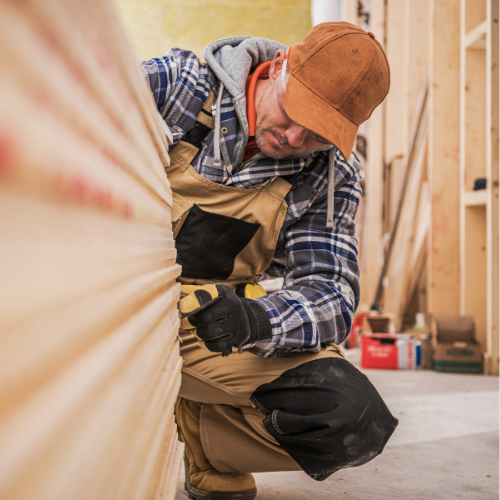
In Louisiana, general liability coverage is equally important for small businesses, sole proprietors, and contractors. Businesses in high-traffic or hurricane-prone areas are particularly vulnerable to lawsuits arising from customer accidents or property damage.
General liability insurance is not required by Texas law for most businesses. However, contracts with landlords, vendors, or government agencies frequently mandate it, making coverage practically essential.
Louisiana also does not have a statewide legal requirement for general liability insurance. However, specific licensing boards, public contracts, or industries (like construction) may require it as a condition of doing business.
In Texas, most small businesses start with $1 million per occurrence and $2 million aggregate limits. Higher limits may be needed if you operate in construction, manufacturing, or other high-risk industries.
In Louisiana, coverage amounts vary by industry and contract requirements. Many businesses also opt for umbrella or excess liability coverage to extend their protection beyond standard policy limits, given the higher risks associated with storms and disasters.